Avoid Energy Loss: Common Insulation Mistakes Homeowners Should Avoid Apr 29, 2026
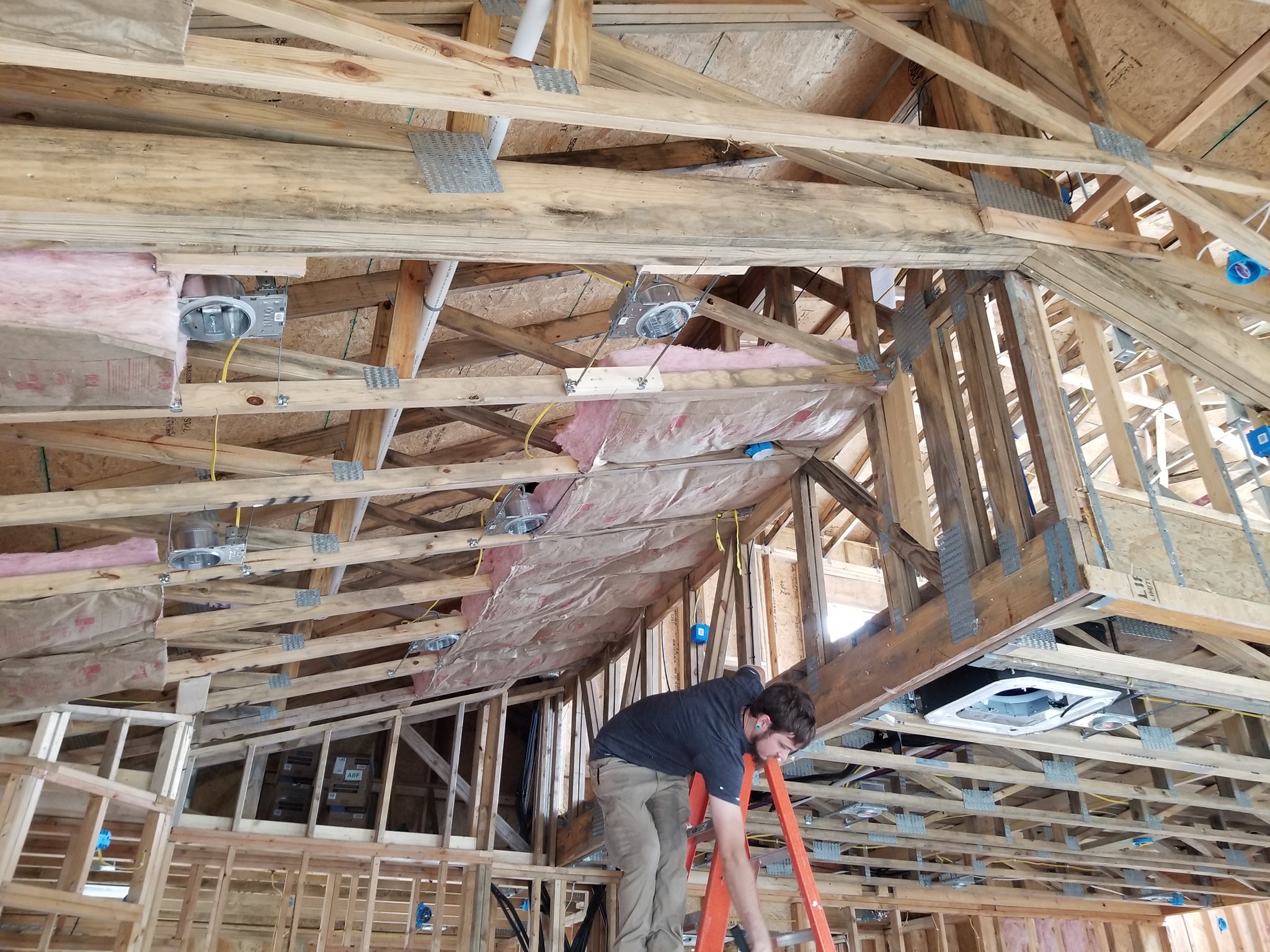
First and foremost, one common mistake is failing to insulate the attic properly. The attic is a major source of energy loss if not adequately insulated, as heat rises and escapes through the roof. Homeowners should ensure the attic is insulated with high-quality materials that match or exceed the recommended R-value for their climate zone. Regularly inspecting the attic and adding insulation as needed can significantly reduce energy loss.
Another critical mistake is neglecting the insulation of basement and crawl spaces. These areas might seem insignificant, but they play a vital role in maintaining a balanced thermal envelope. Without proper insulation, they can become thermal bridges that allow heat to escape, causing your HVAC system to work harder, which in turn increases energy consumption. Homeowners should consider insulating these areas with moisture-resistant materials to prevent mold and mildew, ensuring both energy efficiency and air quality.
Homeowners often overlook air leakage when considering insulation. Even with high-quality insulation in place, if air leaks through gaps and cracks in windows, doors, and around pipes, it can lead to energy inefficiency. Sealing these leaks with caulking or weather stripping can greatly enhance the effectiveness of your insulation efforts. Conducting a simple energy audit can help identify these leaks and address them promptly.
Furthermore, when insulating, many homeowners make the mistake of compressing insulation material. The performance of insulation directly depends on its thickness and ability to trap air. Compressing insulation, whether from improper installation or overstuffing, reduces its effectiveness. It's crucial to follow the manufacturer's instructions and ensure the insulation is installed to cover the intended surface completely and evenly without being forced into tight spaces.
Using the wrong type of insulation is another pitfall. Each area of a home might require different types of insulation to achieve optimal performance. For instance, fiberglass batts, spray foam, and cellulose each have distinct properties suitable for specific applications. Choosing the appropriate type based on factors such as location, climate, and budget can maximize energy savings.
Lastly, not upgrading insulation over time can cost you in the long run. Insulation technology has improved significantly over the years, offering superior options that can save more energy. Regularly evaluating current insulation and considering upgrades to more advanced options is a wise strategy for long-term energy savings.
In conclusion, by avoiding these common insulation mistakes, homeowners can significantly enhance their home's energy efficiency, reduce utility bills, and enjoy a more comfortable living environment. Blown-Rite Insulation and Gutters, LLC recommends regular inspections and consultations with insulation professionals to ensure your home remains well-insulated and energy-efficient. Proper insulation is not just an investment in your home; it's an investment in a sustainable and cost-effective future.
/filters:no_upscale()/filters:format(webp)/media/e5068201-084e-4659-8730-6ebb972ce96e.jpeg)